 Used models
XCMG / Wheel loader
Used equipment / REPRESENTATIVE MODELS
See representative wheel loader models, equipment photos and reference technical data. Tell us your budget and destination port so we can propose the right equipment option for you. In some Latin American countries, such as Paraguay and Mexico, a wheel loader is also called a pala cargadora.
USED / MODEL SELECTION
Tell us the expected year, operating conditions and budget; we will match specific machines and provide corresponding photos and inspection documents.
Photos and specifications can be used to compare models; the final equipment, configuration and quotation are confirmed item by item after you contact us.
BEFORE YOU BUY / BUYING GUIDE
Whether a used wheel loader suits your yard depends on material density, the truck bodies you’ll load and site conditions; the quotation also depends on the machine year, usage history and the condition of the engine, gearbox and articulation. This guide lists bucket capacity and operating weight for representative models so contractors, rental companies and farm users can preselect a loading option and submit verifiable inquiry requirements before requesting a quote.
| Model | Operating weight | Bucket capacity | Reference FOB price |
|---|---|---|---|
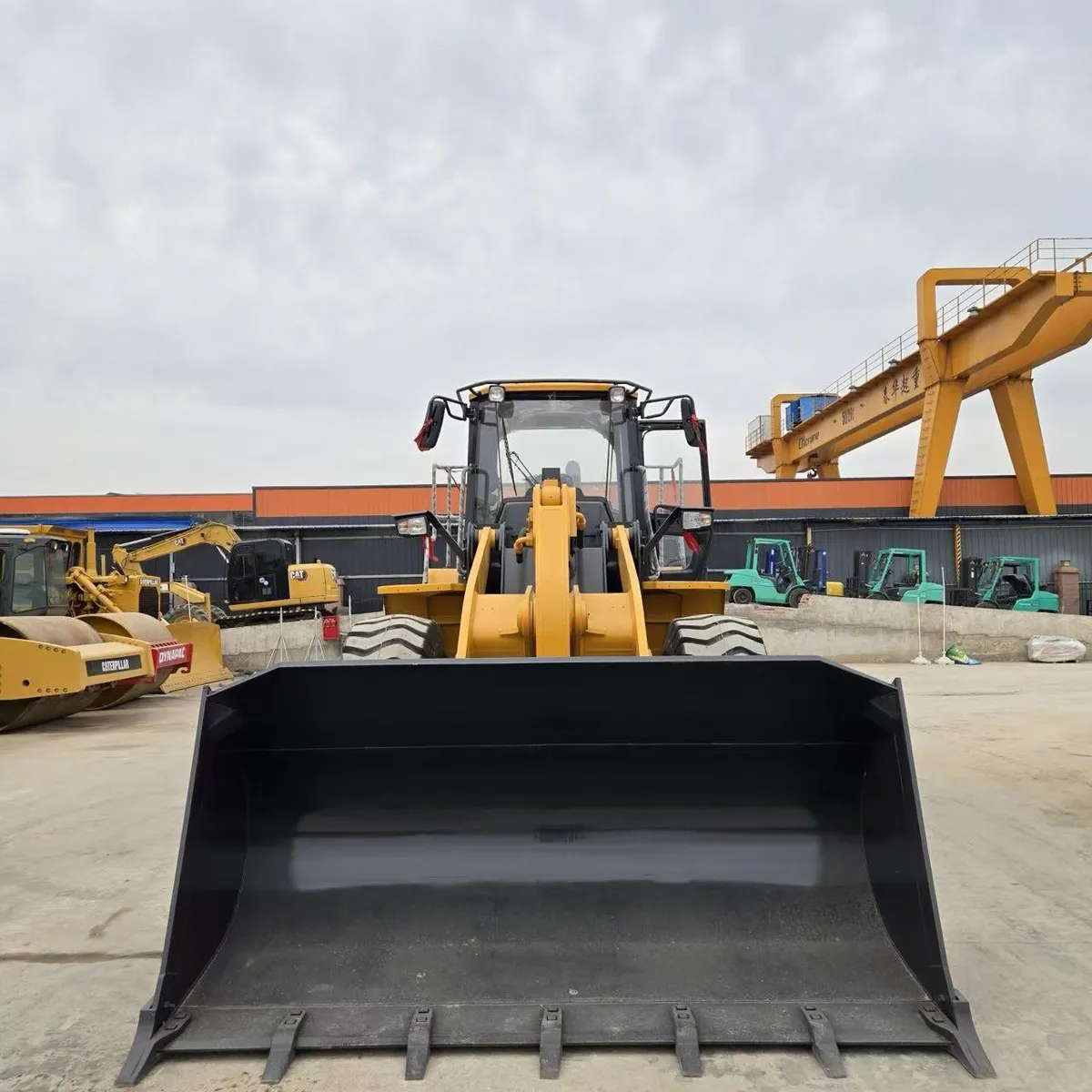
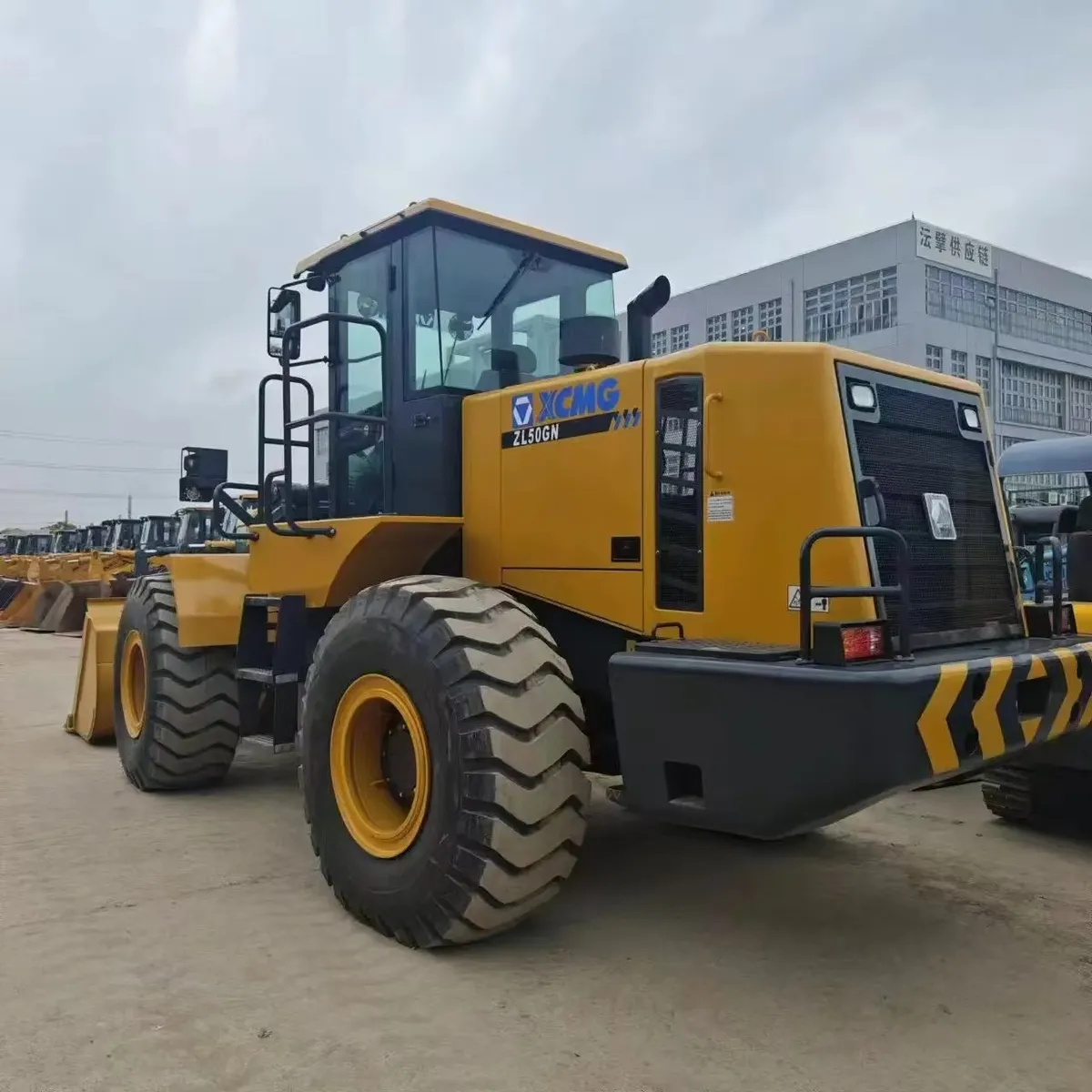
| XCMG 50 Wheel Loader | 16,000 – 17,500 kg | 3.0 m³ | US$20,000 |
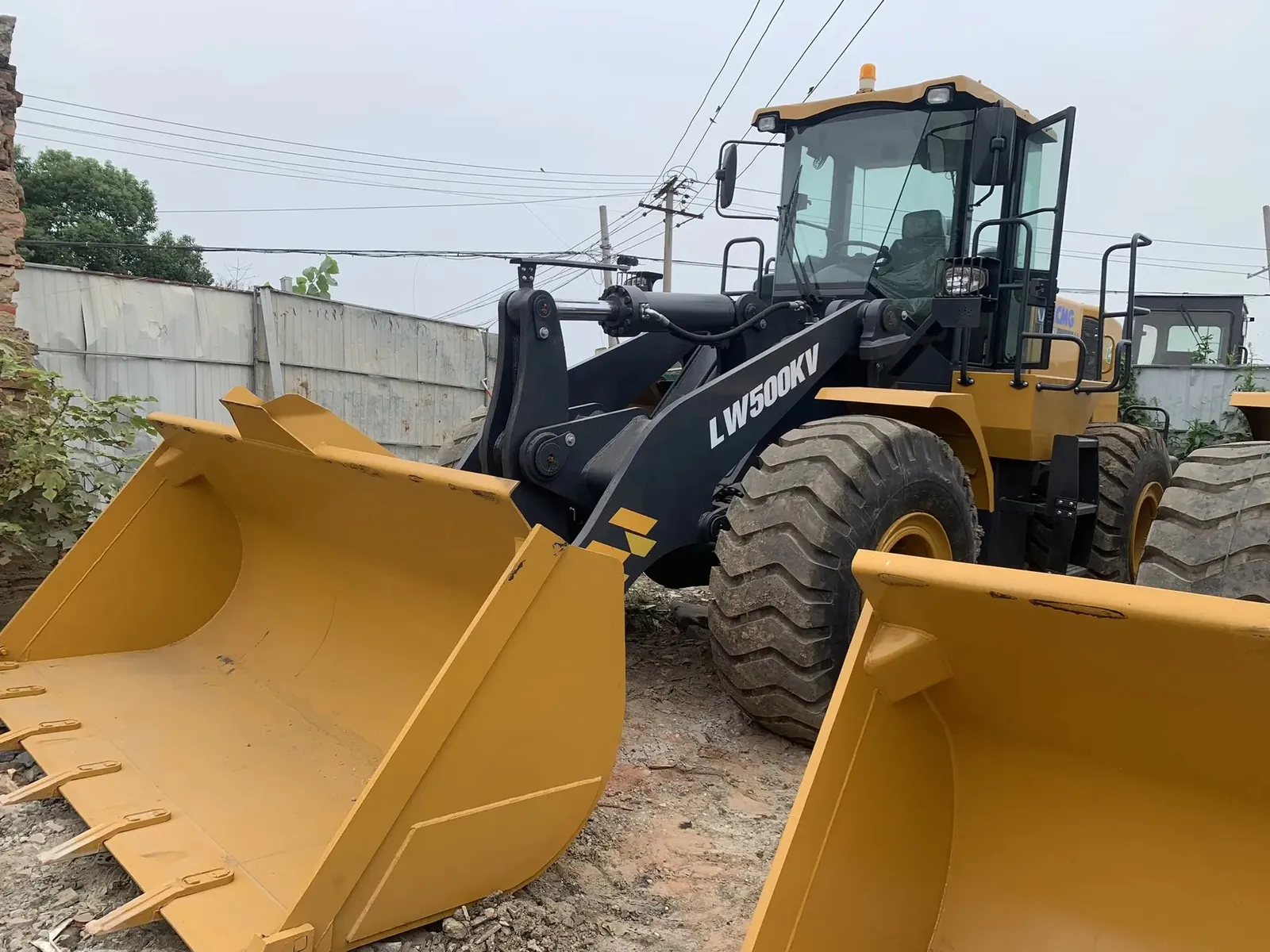
| XCMG LW500KV Wheel Loader | ~16,500 – 17,500 kg | 2.5 – 3.0 m³ | US$23,800 |
| LiuGong 856H Wheel Loader | ~17,000 – 18,000 kg | 2.7 – 3.0 m³ | US$26,800 |
The XCMG and LiuGong units in the table are other-brand used wheel loaders supplied directly by YUYAN; operating weight and bucket capacity come from the site’s representative model spec sheets. Photos and parameters on the site are for initial comparison only: the specific machine’s year, hours and condition are confirmed with the machine photos, running video and the written quotation provided after the unit is matched to your enquiry.
The XCMG 50 has a reference bucket capacity of 3.0 m³; the XCMG LW500KV 2.5 – 3.0 m³; and the Liugong 856H 2.7 – 3.0 m³. The LW500KV’s rated load is 5,000 kg: that does not mean any material will fill a large bucket. For sand and aggregates, select the bucket by density, moisture and tooth wear; for light agricultural bulk, also confirm the actual bucket fitted and its discharge performance.
The reference discharge height of the XCMG LW500KV is ~3,100 – 3,200 mm and the Liugong 856H ~3,050 – 3,200 mm. The ranges overlap, so model name alone won’t determine which loads your truck best. Provide the truck box rim height, hopper inlet and ground conditions, and request a unit demonstration of lift and discharge; bucket type, approach position and truck sideboards all affect actual operating clearance.
A wheel loader repeatedly digs into piles, reverses and turns; inspection should cover the central articulation pin, lift arm pins, frame welds and axles. Cross-check the hour meter with pedals, bucket cutting edge, pin clearances and maintenance records. Request continuous video of cold start and hot-operation loading, shifting and braking. Transmission lag, abnormal noises or hydraulic leaks require explanation; recent repainting does not replace these checks.
The XCMG 50 reference lists Weichai, Yuchai or Shangchai engines, and the XCMG LW500KV lists Weichai or Cummins; confirm the actual configuration on the machine nameplate. Verify the engine and transmission models before checking filter, seal, tooth and pin part numbers. Yard dust and tire cuts also affect maintenance costs; the XCMG 50 specifies tires 23.5-25, but you must still inspect the sidewall and wear of the tires on the proposed machine.
Capacity is only a starting point. Also consider material weight, pile resistance, cycle distance, truck box height and the machine’s hydraulic and transmission condition. For heavier aggregate, rated load may limit a full bucket. Review your yard routes and actual loading video; do not treat the reference bucket volume as a guaranteed daily output.
The amount is for comparing representative models; it is not an offer for a specific used unit nor the total on-site cost. Specify bucket, machine condition, loading port and Incoterm; calculate sea freight, insurance, destination taxes and inland transport separately. A written quotation must state exactly what each item includes.
Request a video that first shows the nameplate and hour meter, then the whole machine and it operating; match any readable serial number to the quotation. For suspected articulation wear, frame repairs or shift issues, arrange an on-site or third-party inspection with time and cost to be confirmed. Representative pictures alone do not prove a unit’s condition.
First obtain the unit’s overall dimensions and transport weight and confirm whether the bucket will be removed. The carrier must evaluate container loading, lashing or other shipment methods; operating weight ranges alone do not prove fit. YUYAN can assist with documents, customs clearance and local import requirements; required documents and import conditions must be confirmed with the buyer’s customs broker.
NEXT STEP / Next step
Provide the target model, year, budget and destination port; after matching we will provide photos, operating data and a quotation for the matched unit.
Inquire about this equipment ↗View verification methods ↗